
Small businesses are the most common targets of website attacks — not because hackers want your data specifically, but because small sites are the easiest to break into. Automated bots scan the entire internet around the clock looking for vulnerable sites, and they do not care whether you are a Fortune 500 company or a local bakery. If your site has a known weakness, they will find it.
The good news: basic website security stops the vast majority of these attacks, and none of it is complicated or expensive. Most hacked small business sites were not breached by sophisticated criminals — they were breached because of outdated software, weak passwords, or missing protections that take minutes to fix. Security basics are the digital equivalent of locking your doors: simple, cheap, and remarkably effective.
What is at stake is bigger than most owners realize. A hacked website can get blacklisted by Google — meaning your site shows a terrifying red warning page instead of your business. It can be used to send spam, host malware, or redirect your visitors to scam sites. Recovery costs thousands of dollars and weeks of downtime, not to mention the customers who quietly never come back.
You do not need to become a cybersecurity expert. You need to understand the handful of fundamentals that keep business websites safe, implement them once, and maintain them with minimal effort. This guide covers website security basics for business owners in plain language — no jargon, no fear-mongering, just the practical steps that matter.
By the end, you will know exactly how to protect your site, what to check regularly, and when to call in professional help. Think of it as a security checklist for people who would rather run their business than think about hackers.
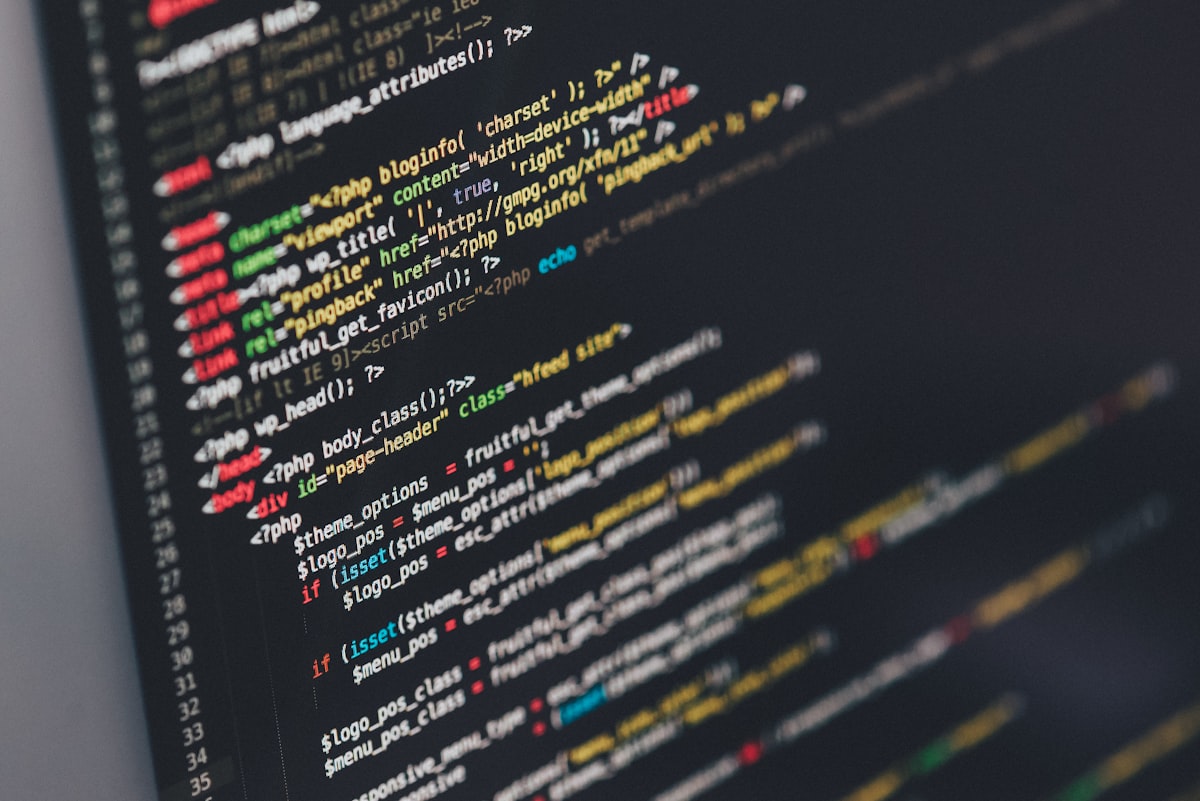
Keep Everything Updated — Always
The number one cause of hacked WordPress sites is outdated software. Hackers do not discover new vulnerabilities in your specific site; they exploit known vulnerabilities in old versions of WordPress, themes, and plugins — vulnerabilities that were already fixed in updates the site owner never installed. Running outdated software is like leaving your doors unlocked in a neighborhood of burglars.
Enable automatic updates for WordPress core, and update themes and plugins promptly — weekly at minimum. Before updating, make sure you have a recent backup (more on that below). Delete themes and plugins you are not using; every inactive plugin is a potential unlocked window. If a plugin has not been updated by its developer in over a year, replace it with a maintained alternative.
Update Safely With Backups
Updates occasionally break things, which is why some owners avoid them — a mistake that trades a small risk for a huge one. The safe approach: automated daily backups plus prompt updates. If an update causes an issue, you restore the backup in minutes. Without backups, you are choosing between broken and hacked, and hacked is far worse.
Use Strong Passwords and Limit Logins
Brute-force attacks — bots trying thousands of password combinations against your login page — hit every WordPress site on the internet, constantly. The defense is straightforward: strong, unique passwords for every account, especially administrator accounts. Use a password manager and generate passwords of 16+ random characters. Never reuse passwords between your website and other services.
Equally important: limit who has access. Every user account is a potential entry point, so give people the minimum permission level they need — an author does not need administrator access. Remove accounts for former employees and contractors immediately. And never use “admin” as a username; it is the first name every bot tries.
Essential Login Protections
- Two-factor authentication (2FA): requires a code from your phone to log in — single biggest login security upgrade.
- Limit login attempts: plugins like Limit Login Attempts block bots after a few failed tries.
- Change the login URL: moving wp-login.php to a custom address cuts automated attacks dramatically.
- Unique admin username: anything other than “admin” forces attackers to guess two things instead of one.
Install an SSL Certificate (HTTPS)
SSL encrypts the connection between your visitors and your website, and Google now treats HTTPS as a baseline requirement. Browsers label non-HTTPS sites “Not Secure” — a warning that frightens visitors away. The fix is easy: most quality hosts provide free SSL certificates (via Let’s Encrypt) that install in one click. There is no reason any business website should still run on plain HTTP in 2026.
After installing SSL, make sure your entire site loads over HTTPS — mixed content warnings (some elements still loading over HTTP) undermine the protection. Most security plugins can fix this automatically.

Back Up Your Website Automatically
Backups are your ultimate safety net. If the worst happens — a hack, a bad update, a hosting failure — a recent backup means recovery in hours instead of weeks. Set up automated daily backups stored off-site (not just on your hosting account, which could be compromised too). Plugins like UpdraftPlus make this simple and can send backups to Google Drive or Dropbox automatically.
Test your backups occasionally. A backup you have never restored is a hope, not a plan. Knowing you can roll back in minutes changes security from a source of anxiety into a solved problem.
Use a Security Plugin and a Web Application Firewall
A dedicated WordPress security plugin like Wordfence or Sucuri adds layers of protection: malware scanning, firewall rules, file integrity monitoring, and blocking of known malicious IPs. The free versions cover the essentials for most small business sites. Pair this with your host’s firewall if available, and keep the plugin’s firewall in “extended protection” mode for maximum coverage.
These tools also alert you to problems — failed login spikes, file changes, outdated components — so you hear about issues before your customers do. Security is not a one-time setup; it is a maintained system, and good tooling makes maintenance nearly automatic.
Frequently Asked Questions
How do I know if my website has been hacked?
Warning signs include Google warnings when visiting your site, unexpected redirects, new admin users you did not create, spam emails sent from your domain, sudden traffic drops, or strange files in your hosting account. A security plugin’s malware scan can confirm it quickly.
How often should I update WordPress and plugins?
Check weekly at minimum, and apply security updates immediately when released. Enable automatic updates for minor WordPress core releases. The window between a vulnerability being disclosed and being exploited is often just days.
Is free SSL enough for a business website?
Yes, for most small business sites. Free Let’s Encrypt certificates provide the same encryption as paid ones. Paid certificates add extras like warranty and extended validation displays, which most small businesses do not need.
Should I pay for website security services?
The basics in this guide — updates, strong passwords, SSL, backups, and a free security plugin — protect against the vast majority of attacks at minimal cost. Paid services make sense for e-commerce sites handling payments or businesses in high-risk industries, where professional monitoring is worth the investment.
What should I do first if I can only do one thing today?
Update everything and set up automated backups. Those two actions alone eliminate the most common attack vectors and guarantee you can recover if something goes wrong. Then add two-factor authentication to your admin account.
Conclusion
Website security basics are not complicated, expensive, or time-consuming — they are a short checklist that protects your business from the most common and costly attacks. Keep your software updated, use strong passwords with two-factor authentication, run your site on HTTPS, back up automatically, and let a security plugin watch your back. An hour of setup and a few minutes a month is all it takes to stay off the hackers’ easy-target list.
Watch: Watch: Website Security Basics for Business Owners
Prefer to have professionals handle it? Our team builds secure WordPress websites with all of these protections configured from day one. Contact Enable Website Design today for a free consultation.