
Every designer knows the mockup bottleneck: you have a great design, but presenting it on a blank artboard undersells it completely. Clients struggle to envision the final product, and traditional mockup hunting — scrolling stock sites for the perfect scene, then wrestling with smart objects in Photoshop — eats hours better spent designing.
AI mockup generators have changed this workflow entirely. Describe the scene you want, upload your design, and get photorealistic mockups in seconds: your app on a phone in a coffee shop, your packaging on a store shelf, your poster on a city wall — any context you can imagine.
In this guide, we review the best AI mockup generators for designers in 2026: what each does well, where each falls short, pricing, and which tool fits which workflow. Whether you are a freelancer presenting to clients or an in-house designer shipping daily assets, there is a tool here for you.
You will learn how AI mockup generation actually works, the features that matter most for professional use, and practical tips for getting photorealistic results that impress clients instead of embarrassing you.
We will also cover when AI mockups beat traditional methods — and the situations where classic photography or 3D rendering still wins.
Let us upgrade your presentation game.
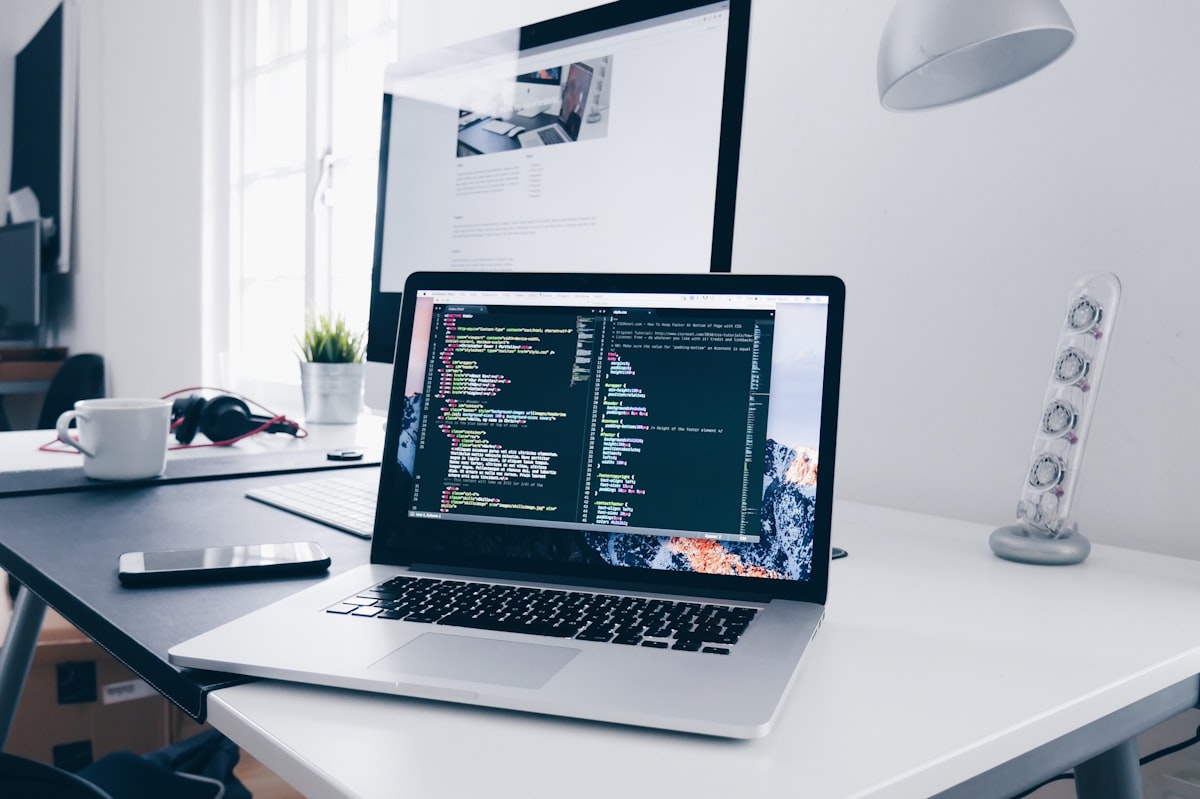
How AI Mockup Generators Work
These tools combine your uploaded design — a screen, label, poster, or packaging flat — with AI-generated scenes described by your prompt. Advanced models handle perspective warping, lighting matching, shadows, and reflections automatically, compositing your design into the scene as if it were photographed there.
The best results come from tools that preserve your design’s sharpness and colors while generating believable environments around it. The technology has matured to where casual viewers genuinely cannot tell the mockup from a real photo shoot — which is both the opportunity and the responsibility.
Features That Matter for Professional Use
- Design fidelity — your artwork stays crisp, correctly proportioned, and color-accurate.
- Scene control — precise prompts for setting, lighting, angle, and mood.
- Batch generation — one design across many scenes for client options.
- High resolution — outputs sharp enough for presentations and portfolios.
- Commercial rights — clear licensing for client deliverables.
- Brand consistency — reusable scene styles across projects.
The Best AI Mockup Generators in 2026
Flair.ai — Product Photography Specialist
Flair.ai focuses on product-in-scene generation with impressive lighting and composition intelligence. Upload a product shot and place it in lifestyle scenes that look professionally art-directed. A favorite for ecommerce brands and packaging designers who need scroll-stopping product imagery without photo shoots.
Mockup AI (v0-style generators) — Speed for UI/UX
For app and web designers, dedicated UI mockup tools generate device scenes — phones, laptops, tablets in realistic contexts — from screenshots in seconds. Perfect for portfolios, case studies, and client presentations where the interface is the hero.
Midjourney + Compositing — Maximum Art Direction
Many top designers still generate backgrounds in Midjourney and composite designs manually in Photoshop or Figma. More work, but unmatched creative control over every element of the scene — the choice for portfolio pieces where the mockup itself is part of the art.
Canva Magic Mockups — Accessibility Winner
Built into a tool millions already use, Canva’s mockup features make decent scene placement available to non-designers and fast-moving teams. Less control than specialist tools, but unbeatable for speed when “good enough, right now” is the brief.
Freepik AI Mockup Tools — Volume and Variety
Freepik’s AI suite offers enormous template and scene variety with quick generation, suiting content teams producing mockups at scale — social campaigns, ad variations, and marketplace listings where volume matters more than bespoke art direction.
Adobe Firefly — The Safe Corporate Choice
Trained on licensed content, Firefly offers the cleanest commercial-use story for risk-averse organizations. Integration with Photoshop and Express keeps it inside existing Adobe workflows — compelling for teams already paying for Creative Cloud.
Getting Photorealistic Results: Practical Tips
Prompt specificity is everything. “Coffee shop” gives you generic; “sunlit corner table at a minimalist Scandinavian café, soft morning light through large windows, shallow depth of field, ceramic cup beside the phone” gives you art direction. Describe lighting first — it determines realism more than any other factor.
Start with high-quality source designs: crisp exports at 2x resolution, correct aspect ratios, no compression artifacts. AI cannot rescue a blurry upload — garbage in, garbage out applies doubly when the output is supposed to look photographic.
Mockup Workflow Best Practices
- Generate 5–10 scene variations per design; cull ruthlessly to the best two.
- Match scene mood to brand — luxury products in luxury contexts, always.
- Check reflections and shadows for AI weirdness before sending to clients.
- Keep a library of winning prompts for consistent client work.
- Disclose AI use where contracts or ethics require it.
When Traditional Mockups Still Win
AI is not universal. Real product photography still wins for hero brand campaigns where absolute control and uniqueness matter. True 3D rendering beats AI for packaging with complex geometry or when you need infinite angle variations. And some clients simply value — and pay for — the craft story of real shoots.
The smart studio uses all three: AI for speed and exploration, photography for flagship work, 3D where geometry demands it. Tools serve the project, not the other way around.
Frequently Asked Questions
Are AI mockups good enough for client presentations?
Yes — current tools produce genuinely photorealistic results that clients accept enthusiastically. The key is curation: generate plenty, inspect closely for artifacts, and present only flawless outputs.
Can I use AI mockups in commercial client work?
Check each tool’s license, as terms vary. Most paid plans include commercial rights, and Adobe Firefly’s licensed training data offers extra comfort for corporate clients. When in doubt, confirm in writing.
How much do AI mockup generators cost?
Ranges from free tiers (Canva, limited specialist plans) to $20–$50 monthly for professional tools. Compared to a single product photo shoot costing hundreds or thousands, the ROI is immediate for most designers.
Will clients know the mockups are AI-generated?
Good ones, no — which is why quality control matters. Inspect hands, text, reflections, and edges at full zoom before delivery. Your reputation rides on the details.
Conclusion
The best AI mockup generator for designers in 2026 depends on your work: Flair.ai for product scenes, dedicated UI tools for app presentations, Midjourney plus compositing for maximum art direction, and Firefly for corporate safety. Master prompting, curate ruthlessly, and you will present designs with a polish that used to require a photo studio.
Watch: Best AI Mockup Generators for Designers in 2026 (Video)
Need a portfolio website that presents your design work beautifully? Contact our team for a designer-grade website build.
1 comment
AI Book Cover Mockup: 6 Best Generators Compared
October 8, 2026 at 7:19 am[…] it as real and desirable. This is why publishers have used styled cover photography forever; AI mockup tools just made it accessible to every indie […]