
Data is the raw material of modern business decisions. Companies pay for competitive intelligence, price monitoring, lead lists, and market research — and most of that data sits publicly on the web, waiting to be collected. AI-powered web scraping services turn that public data into a sellable product, and it is one of the highest-margin service businesses you can start in 2026.
Traditional web scraping required serious programming skills: writing custom crawlers, handling anti-bot systems, and maintaining fragile scripts that broke every time a website changed its layout. AI has lowered that barrier dramatically. Modern scraping tools use AI to understand page structures, adapt to layout changes, and extract exactly the fields you need from natural language instructions.
Businesses understand the value immediately. An ecommerce brand wants to track competitor prices daily. A real estate investor wants fresh property listings. A sales team wants verified lead data. A market research firm wants reviews and sentiment across thousands of products. If you can reliably deliver clean, structured data on a schedule, clients will pay you month after month.
In this guide, you will learn how to build and sell AI web scraping services to businesses. We will cover how the service works, which AI scraping tools to use, how to price your services, the legal and ethical boundaries you must respect, and how to find clients who need data. This is a practical, no-fluff playbook for a real service business.
A quick but critical note: scraping must be done responsibly and legally. We will cover the ground rules — respecting terms of service, robots.txt, rate limits, and data privacy laws — because a scraping business built on shaky legal ground is not a business at all.
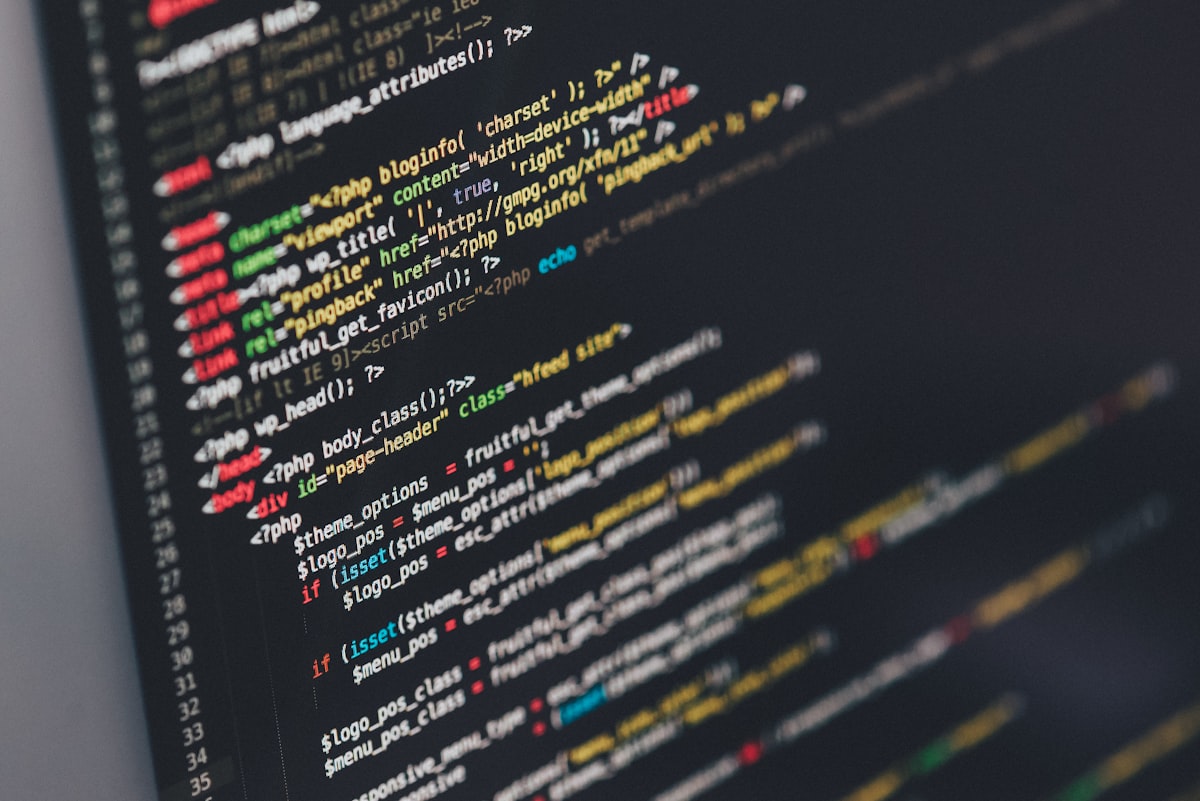
What Are AI Web Scraping Services?
Web scraping is the automated collection of data from websites. AI-powered web scraping services go further than old-school scripts: they use machine learning to identify the right data on a page, handle JavaScript-heavy sites, adapt when layouts change, and clean and structure the output automatically.
As a service provider, you sell outcomes, not technology. Clients do not care which tool you use — they care that every Monday morning they receive a spreadsheet of competitor prices, or that their CRM fills with fresh leads daily. Your job is reliability: the data arrives on time, in the right format, and clean enough to use.
Common Data Products Businesses Buy
- Competitor price and product monitoring for ecommerce and retail brands.
- Lead generation lists — business directories, contact data, and prospect information for sales teams.
- Real estate data — new listings, price changes, and rental data for investors.
- Review and sentiment aggregation from review sites and marketplaces.
- Job posting and market trend data for recruiters and analysts.
AI Tools for Web Scraping Services
You do not need to be a senior developer. The modern toolkit combines no-code platforms with AI assistance for the tricky parts.
Recommended Tool Stack
- Apify: a marketplace of pre-built scrapers plus the ability to build custom ones; handles proxies and scheduling.
- Browse AI: point-and-click scraping with AI that adapts to site changes; great for beginners selling to small businesses.
- Octoparse: visual scraping builder with templates for common sites.
- Python with AI assistance: for custom jobs, use libraries like Playwright or Scrapy with AI helping write and debug the code.
Handling Anti-Bot Protection
Many sites deploy CAPTCHAs, rate limiting, and bot detection. Professional scraping uses rotating residential proxies, realistic browser fingerprints, respectful request rates, and headless browsers that render JavaScript. Build these into your standard process — reliability against protected sites is part of what clients pay for, and hammering a site aggressively is both unethical and a fast way to get blocked.
Legal and Ethical Ground Rules
This section is not optional reading. The scraping industry has real legal boundaries, and your business depends on staying inside them.
What You Must Respect
- Terms of service: review the target site’s terms; some explicitly prohibit scraping, and violating them creates legal risk.
- robots.txt: honor it as a baseline signal of what site owners allow.
- Personal data: privacy laws like GDPR and CCPA restrict collecting and selling personal information — be especially careful with anything identifying individuals.
- Copyrighted content: scraping facts and prices is generally safer than reproducing creative content like articles or images.
- Rate limits: scrape gently; aggressive scraping can be treated as a denial-of-service attack.
When in doubt, consult a business attorney before taking on a scraping engagement. Many successful scraping businesses focus on clearly permissible targets: public business directories, government data, and sites that offer data-friendly terms.

How to Price AI Web Scraping Services
Price on value and recurring delivery, not on hours worked. Data delivered on schedule is infrastructure for the client, and infrastructure commands retainers.
Pricing Models That Work
- One-time projects: $300 to $2,000 for a single dataset build, depending on complexity and volume.
- Monthly retainers: $500 to $3,000+ per month for ongoing scheduled scrapes with monitoring and support — the core of a stable scraping business.
- Per-record pricing: $0.05 to $0.50 per verified record for lead lists, with minimums to protect your time.
- Setup plus maintenance: an initial build fee plus a smaller monthly fee for monitoring, fixes, and delivery.
Always include maintenance in recurring pricing. Websites change layouts, and scrapers break — clients pay you precisely so they never have to think about that. Proactive monitoring and fast fixes are your retention engine.
Finding Clients for Web Scraping Services
Your best prospects are businesses already making decisions with incomplete data. They feel the pain; you offer the cure.
Outreach Strategies
- Ecommerce brands: offer a free one-week competitor price tracking sample — seeing their rivals’ prices in a clean dashboard sells itself.
- Agencies and consultants: they need data for client work and happily outsource; one agency can mean steady recurring revenue.
- Sales teams and recruiters: pitch verified lead lists as a done-for-you prospecting feed.
- Freelance platforms: Upwork has constant demand for scraping projects; use them to build case studies, then raise prices.
Selling with Samples
Nothing closes a scraping deal like a sample dataset. Scrape a small, permissible sample of exactly what the prospect needs and deliver it formatted beautifully. Prospects who see their own market data in a spreadsheet convert at far higher rates than those who hear a pitch.
Frequently Asked Questions
Is web scraping legal?
Scraping publicly available factual data is generally permissible in the US, but boundaries exist around terms of service violations, personal data under privacy laws, copyrighted content, and circumventing technical protections. Always review the target site’s terms and consult legal counsel for gray areas.
Do I need to know how to code to offer AI web scraping services?
Not necessarily. No-code tools like Browse AI and Apify handle many common scraping jobs. Basic familiarity with how websites work helps enormously, and AI coding assistants can help you build custom scrapers when projects outgrow no-code tools.
How much can I earn with web scraping services?
Freelancers typically earn $2,000 to $8,000 per month once established, with most revenue from monthly retainers of $500 to $3,000 per client. The business scales well because one scraper setup can serve a client for months with minimal ongoing effort.
What if a website blocks my scraper?
Blocking happens and handling it professionally is part of the service. Use rotating proxies, respectful crawl rates, and browser automation that mimics human behavior. When a site hardens its defenses, communicate honestly with the client about alternatives, including official APIs where available.
How do I deliver scraped data to clients?
Most clients want simple formats: CSV or Excel files via email, Google Sheets updated automatically, or direct delivery into their CRM or database via API. Match the delivery method to how the client actually uses the data.
Conclusion
AI-powered web scraping services for businesses combine everything you want in a service business: clear client value, recurring revenue, low delivery costs once systems are built, and AI doing the technical heavy lifting. Start with one data product for one type of client, deliver it flawlessly on a schedule, and expand from a base of retainers. Respect the legal boundaries, price on value, and let reliability be your brand.
Watch: AI Web Scraping Services for Businesses
Need a professional website that presents your data services credibly and captures B2B leads? Contact Enable Website Design and we will build you a site that turns prospects into retainer clients.