
Website mockups are how great web projects get approved. Clients can’t visualize a sitemap or a wireframe — but show them their homepage on a sleek laptop in a stylish office scene, or their landing page scrolling on a phone in someone’s hand, and the “wow, I want that” reaction is instant. That reaction wins projects, sells designs, and makes portfolios unforgettable.
AI website mockup tools have transformed what used to be a tedious Photoshop job into a seconds-long process. Paste a URL or upload a screenshot, and get back a polished, realistic device presentation — browser frames, phones, laptops, tablets, even lifestyle scenes with your site on screens in real-world environments.
In this guide, you’ll learn how to make website mockups with AI tools: the fastest methods, the best tools compared honestly (free and paid), step-by-step workflows for screenshots and lifestyle scenes, and pro tips for mockups that actually impress clients and win business.

Whether you’re a freelancer pitching clients, an agency building case studies, or a founder showcasing your product, you’ll know exactly which tool to reach for and how to get stunning results in minutes.
The quick answer: paste your URL or upload a screenshot into Shots.so (free, excellent browser and device frames) or Smartmockups (huge device library, integrated with Canva). For lifestyle scenes — laptop on a desk, phone in hand — Placeit has the biggest library. Pick your tool, choose a device frame, customize the background, export. Details below.
Why Mockups Matter More Than You Think
A mockup does psychological work that raw screenshots can’t. It places your design in context — on devices people recognize, in environments that signal quality — which makes viewers perceive the design itself as more professional. Studies on presentation context consistently show that identical designs score higher when presented well.
Where Great Mockups Pay Off
Client proposals (mockups win pitches), portfolio case studies (context makes work memorable), social media marketing (device shots outperform plain screenshots dramatically), app store and product pages, and investor decks. Anywhere your website needs to make an impression in seconds, a mockup beats a screenshot.
The Best AI Website Mockup Tools Compared
Shots.so — Best Free Screenshot Mockups
Shots.so turns any website screenshot into a beautiful device mockup instantly. Paste a URL or upload an image, pick from iPhone, Android, MacBook, and browser frames, then customize backgrounds, shadows, and gradients. The free tier is genuinely generous; the Pro plan adds more frames and higher resolution. Extremely fast, stylish modern frames, URL-to-mockup in one click — our top recommendation for most users.
Smartmockups — Biggest Device Library
Smartmockups offers thousands of device mockups across phones, laptops, tablets, and wearables, now integrated with Canva for easy editing. The library depth is unmatched — if you need an obscure device or angle, it’s probably here. Free tier available with watermarks; paid plans unlock the full library. Best when you need variety or you’re already in the Canva ecosystem.
Placeit — Best Lifestyle Scenes
For mockups in real-world contexts — your site on a laptop in a coffee shop, on a phone held in a hand, on a billboard — Placeit’s library is the largest available. These lifestyle scenes are marketing gold for hero images and ads. Subscription-based; worth it if you produce marketing visuals regularly.
Other Worthy Options
Mockuuups Studio (desktop app, great for batch-generating mockups), Screely (dead-simple browser frame mockups, free), and Device Shots by various Chrome extensions for quick captures. For most needs, Shots.so plus one lifestyle tool covers everything.
How to Make Screenshot Mockups: Step by Step
Step 1: Capture a Great Screenshot
Mockup quality starts with screenshot quality. Capture at high resolution (at least 1440px wide for desktop), ensure the page is fully loaded with no visible loading states, and hide browser extensions or bookmarks bars. For full-page captures, tools like GoFullPage (Chrome) grab the entire scroll length cleanly.
Step 2: Choose the Right Device Frame
Match the frame to your audience: iPhone frames for consumer apps, MacBook for B2B SaaS, browser frames for general websites. Show mobile and desktop side by side when responsive design is a selling point — it demonstrates thoroughness clients notice.
Step 3: Customize Background and Styling
A thoughtful background elevates the whole mockup. Use subtle gradients or solid colors pulled from the site’s own palette, add soft shadows for depth, and keep the composition clean — the website is the hero, not the background. Export at 2x resolution for crisp display on retina screens.
How to Make Lifestyle Mockups
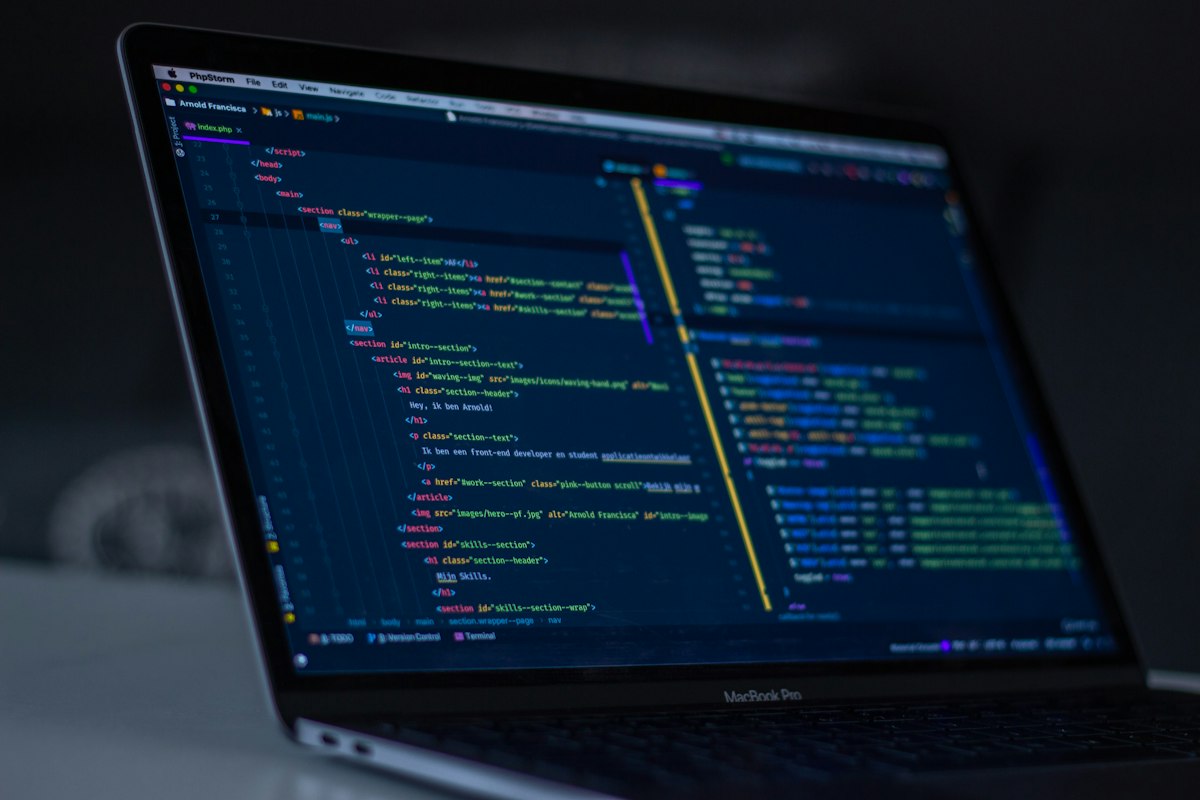
Pick Scenes That Match Your Brand
A fintech startup belongs on a sleek desk setup, not a beach. A fitness app belongs in someone’s hand at the gym. Scene selection is brand communication — choose environments your target customers recognize and aspire to.
Keep the Screen Readable
The most common lifestyle mockup mistake: a beautiful scene where the website is too small or angled to read. Prioritize scenes where the screen faces the viewer substantially — the environment sets the mood, but your site must remain legible.
Pro Tips for Mockups That Win Business
Consistency Across Your Portfolio
Use the same mockup style, backgrounds, and framing across all portfolio pieces. Consistency signals professionalism and makes your body of work feel like a cohesive brand — which is exactly what clients want to buy into.
Show the Best Screen, Not Just the Homepage
Everyone shows homepages. Stand out by mocking up your strongest interior screens — a beautiful checkout flow, a dashboard, a striking service page. It demonstrates depth of work and gives viewers more to admire.
Optimize for Where It’ll Be Seen
Portfolio site mockups can be large and detailed; social media versions need bold, simple compositions readable at thumbnail size. Create both from the same source screenshot — it takes an extra minute and doubles your assets.
Frequently Asked Questions
Are AI mockup tools really free?
Many offer genuinely useful free tiers — Shots.so and Screely cover most basic needs at no cost. Paid plans ($10–$30/month typically) unlock higher resolution, more devices, and commercial lifestyle scenes. Start free; upgrade when client work justifies it.
Can I use mockups in client proposals commercially?
Yes — that’s their primary purpose. Check each tool’s license for the specific mockup scenes (most allow commercial use on paid tiers; free tiers sometimes require attribution or limit commercial use).
What’s the ideal screenshot size for mockups?
Capture at the highest resolution practical — 1440–1920px wide for desktop, full device resolution for mobile. You can always scale down; scaling up produces blurry mockups that undermine the professional impression.
Do mockups help with SEO or conversions?
Indirectly but really: portfolio pages with professional mockups keep visitors engaged longer and convert inquiries at higher rates. They’re a presentation upgrade with measurable business impact, not just decoration.
Conclusion
Making website mockups with AI tools takes minutes and transforms how your work is perceived: capture a clean high-resolution screenshot, choose the right device or lifestyle frame, customize tastefully, and export crisp. Whether you’re pitching clients or building a portfolio, professional mockups are among the highest-ROI minutes you’ll spend.
Watch: How to Make Website Mockups with AI Tools (Video)
Want a website worth showing off in mockups? Contact Enable Website Design — we build stunning, high-converting websites you’ll be proud to present anywhere.