A year ago, picking an AI image generator meant choosing between two or three tools that all produced slightly blurry, slightly “off” pictures. That’s no longer the case. Today’s leading tools can generate crisp 4K visuals, place readable text inside an image, and follow multi-step instructions almost like a human designer would. The catch is that there are now dozens of options, and the differences between them actually matter depending on what you’re trying to create.
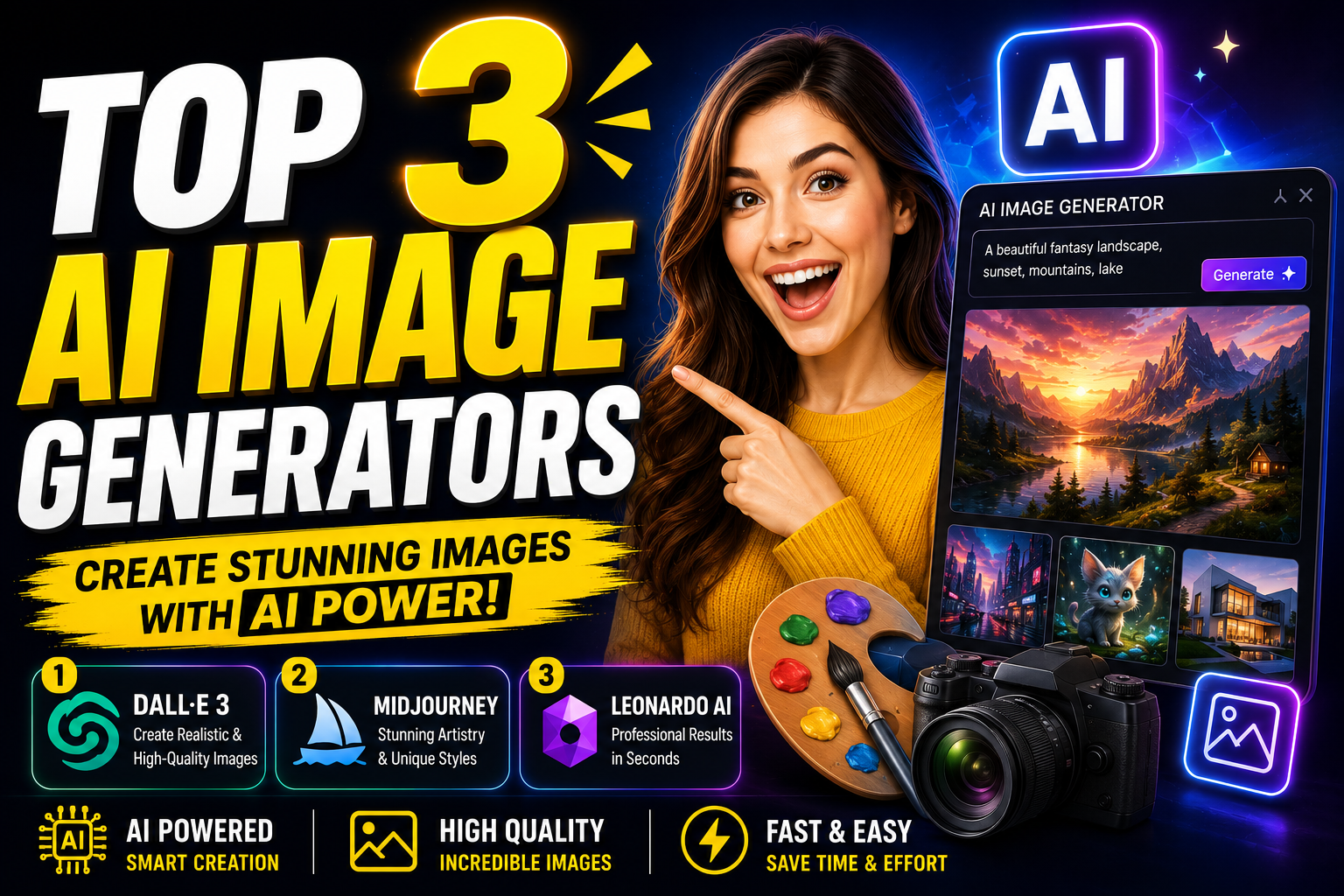
In this guide, we’re cutting through the noise and focusing on the three AI image generators that consistently rise to the top of independent testing and real-world use in 2026: GPT Image 2, Google’s Nano Banana Pro, and Midjourney V8.1. By the end of this article, you’ll know exactly what each tool does best, what it costs, and which one fits your specific project, whether that’s a marketing campaign, a personal art hobby, or a client deliverable.
What Makes a Great AI Image Generator in 2026
Before comparing specific tools, it helps to know what actually separates a good AI image generator from a mediocre one. The market has matured, so the basic ability to “turn text into a picture” is no longer impressive on its own. Here’s what to look for instead.
Prompt Accuracy and Detail
The best AI image generators follow complex prompts closely, including specific counts of objects, exact color combinations, and layered instructions like “a red umbrella in the foreground and a blue bicycle leaning against a wall in the background.” Weaker tools tend to drop details the more complex a prompt becomes.
Text Rendering Inside Images
Readable, correctly spelled text inside an image used to be one of the hardest problems in AI image generation. It’s now a genuine differentiator, especially for anyone making posters, packaging mockups, memes, or social graphics that need a headline baked into the picture itself.
Resolution and Commercial Usability
Native 2K and 4K output has become standard among the top-tier tools, which matters if your images are headed for print, large banners, or anything beyond a social media thumbnail. Licensing terms matter just as much: some tools grant full commercial rights on paid plans, while others restrict usage depending on your subscription tier.
Editing and Consistency Features
Generating one great image is one thing. Generating the same character or product across ten different images, in different poses or settings, is a much bigger challenge. The strongest AI image generators now offer character-locking, in-painting, and reference-image support to keep a look consistent across a whole project.
The Top 3 AI Image Generators, Compared
With those criteria in mind, here’s how the three leading AI image generators of 2026 actually perform.
1. GPT Image 2 (OpenAI)
GPT Image 2 currently sits at the top of independent image-generation leaderboards, and by a wide margin. What sets it apart is that it effectively plans an image before drawing it: laying out composition, checking its own output, and in some cases referencing real-world information before finalizing a result. That extra reasoning step shows up as noticeably better prompt accuracy, especially on prompts with several specific requirements packed into one sentence.
Best for: marketers and content creators who need highly accurate, instruction-heavy images without multiple rounds of regeneration.
Strengths: excellent prompt adherence, strong text rendering, built-in self-checking for errors.
Watch out for: it’s a premium-priced tool, so heavy daily use can add up quickly on a metered plan.
2. Google’s Nano Banana Pro
Nano Banana Pro, built on Google’s Gemini models, has quickly become a favorite for professional creative workflows. Its biggest advantage is understanding what it’s creating well enough to generate new angles, alternate poses, or different lighting on the same subject, essentially reasoning about a scene rather than just pattern-matching a prompt. It also supports full 4096×4096 native resolution, which puts it ahead of most competitors for print-ready or large-format work.
Best for: designers and agencies who need consistent characters or products across many images, plus anyone working with text-heavy layouts like posters or packaging.
Strengths: top-tier realism, reliable text placement, strong image editing and re-generation features.
Watch out for: the learning curve is slightly steeper if you’re used to simple one-line prompting tools.
3. Midjourney V8.1
Midjourney remains the go-to choice for anyone prioritizing artistic style over strict photorealism. Version 8.1 now renders at 2048×2048 by default, closing much of the resolution gap with its rivals, while keeping the distinctive, painterly aesthetic that built its original audience. It’s especially strong for concept art, illustration, mood boards, and stylized marketing visuals.
Best for: artists, illustrators, and brands that want a distinctive visual style rather than photo-realistic output.
Strengths: unmatched artistic range, an active community full of prompt inspiration, strong upscaling.
Watch out for: it runs primarily through Discord and a web app, which can feel less intuitive than a simple chat interface at first.
How to Choose the Right AI Image Generator for Your Project
There’s no single “best” AI image generator for every situation. Instead, match the tool to the job in front of you.
- Choose GPT Image 2 if accuracy matters most: product mockups, infographics, or any image with a lot of specific, non-negotiable details.
- Choose Nano Banana Pro if you need the same character, product, or brand element to look consistent across many images.
- Choose Midjourney if the goal is a striking, artistic look rather than photographic realism.
- If budget is tight, start with whichever tool offers a free trial or credits, and test it on your actual use case before committing to a paid plan.
Tips for Getting Better Results from Any AI Image Generator
Regardless of which tool you pick, a few habits consistently improve output quality.
Be Specific About Composition
Instead of describing only the subject, describe where things sit in the frame: foreground, background, left, right, close-up, or wide shot. This alone tends to reduce the number of regenerations needed to get a usable image.
Lock In a Character Description Early
If you need the same person, mascot, or product across several images, write out a full description once and reuse it word-for-word in every follow-up prompt. Small wording changes are often enough to shift the look of a character between generations.
Reference Real Design Styles by Name
Naming a specific aesthetic, era, or design movement tends to produce more accurate results than describing the same look from scratch in your own words. This works especially well for anything tied to current visual trends.
What is the best AI image generator overall in 2026?
Based on independent blind-vote benchmarks and hands-on testing, GPT Image 2 currently ranks as the top overall AI image generator, thanks to its strong prompt accuracy and realistic output.
Are AI image generators free to use?
Some are. Open-weight models can be run locally at no cost, and several platforms, including the tools covered here, offer limited free tiers. Full-featured access to top-tier models like GPT Image 2, Nano Banana Pro, and Midjourney typically requires a paid subscription or per-image credit system.
Can I use AI-generated images commercially?
In most cases, yes, but always check the specific platform's terms of service first. Licensing rules differ depending on the tool and your subscription plan.
Which AI image generator is easiest for beginners?
GPT Image 2 tends to require the least prompt-engineering skill to get solid results, making it a good starting point if you're new to AI image generation.
Do AI image generators struggle with hands and faces?
This was a common issue in earlier models, but the top AI image generators in 2026 have largely resolved it, especially transformer-based tools like GPT Image 2.