
Watch: Web Hosting Security Features You Should Never Skip
Your website is your business’s front door, and in 2026 cybercriminals knock on millions of those doors every day. The United States remains the top target for website attacks, with small businesses hit hardest — not because attackers specifically choose them, but because automated bots probe every site on the internet and succeed wherever basic protections are missing. The good news: most attacks succeed only because basic security features were missing from the hosting plan.
When you choose web hosting, the security features included matter far more than a few dollars of monthly savings. A hacked website costs far more than premium hosting ever will: lost sales during downtime, expensive cleanup fees, destroyed search rankings, stolen customer data, and the kind of reputational damage that lingers for years. Security is not an upsell; it is the foundation everything else stands on.
This guide covers the web hosting security features you should never skip, no matter which provider or plan you choose. For each one, we explain what it does in plain language, why it matters for a small business, and what to verify before you sign up. Use this as a checklist when comparing hosts — if a provider treats these as expensive add-ons rather than standard inclusions, that tells you everything about their priorities.
One reassuring fact first: you do not need to become a security expert. Modern quality hosts automate most of this. Your job is simply to choose a host that includes these protections and to keep up your end — updates, strong passwords, and backups. The checklist below makes both sides clear.
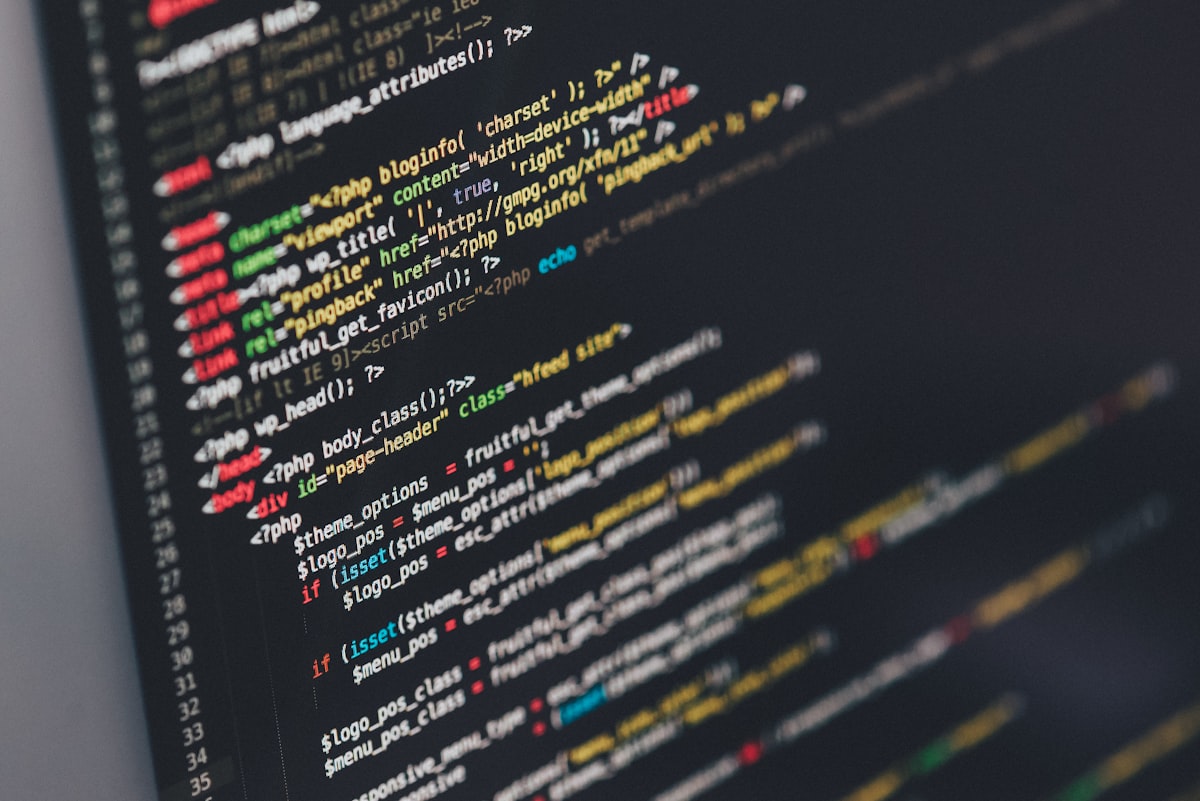
Work through the checklist below before you compare plans, and you will choose hosting on security substance rather than marketing promises.
1. Free SSL Certificates (HTTPS)
SSL encrypts data between your visitors’ browsers and your site — logins, contact forms, checkout details. In 2026, there is no excuse for a business site without it: browsers flag non-HTTPS sites as “Not Secure,” Google ranks HTTPS sites higher, and customers abandon sites that trigger warnings. Every reputable host includes free SSL via Let’s Encrypt with automatic renewal. If a host charges extra for basic SSL, walk away.
2. Web Application Firewall (WAF)
A WAF sits in front of your site and blocks malicious traffic before it reaches your code — SQL injection attempts, cross-site scripting, and the automated exploit probes that hit every WordPress site daily. It is the difference between attacks bouncing off a shield and attacks testing your actual website. Look for hosts that include a WAF (often via Cloudflare integration or a built-in firewall) at no extra charge on business plans.
3. Malware Scanning and Removal
Even with strong defenses, regular scanning catches what slips through. Your host should scan files continuously for malware signatures and suspicious changes — and critically, include cleanup if something is found. Some hosts scan but charge hundreds for removal; that is a trap. Verify both scanning and remediation are included before you need them.
4. Automated Daily Backups (Stored Off-Site)
Backups are your time machine. When anything goes wrong — hack, bad update, human error — a recent backup restores you in minutes instead of days. Non-negotiable requirements: automated daily backups, stored off-site (separate from your server, so a server compromise does not destroy them too), one-click restore, and at least 14-30 days of retention. Test a restore occasionally; a backup you have never tested is a hope, not a plan.
5. DDoS Protection
Distributed denial-of-service attacks flood your site with junk traffic to knock it offline. They are cheap to launch and increasingly common against small businesses — sometimes as extortion, sometimes as competitive sabotage. Quality hosts include network-level DDoS mitigation automatically. You will never notice it working, which is exactly the point.

6. Server-Level Hardening and Isolation
On shared hosting especially, your site shares a server with strangers. Proper account isolation ensures another customer’s compromised site cannot reach yours. Beyond that, look for hosts that keep server software patched, disable risky default features, and offer PHP version control. Managed WordPress hosts typically excel here — server hardening is a core part of what you are paying for.
7. Two-Factor Authentication and Access Controls
The strongest server security means nothing if your hosting account is protected by “Password123.” Your host should offer two-factor authentication for account logins, and your site itself needs enforced strong passwords plus 2FA for admin users. Limit admin accounts to people who genuinely need them, and remove access immediately when team members leave. Most successful breaches start with stolen credentials, not sophisticated hacking.
Your Side of the Bargain: What the Host Cannot Do for You
Hosting security covers the server; you own the application layer. These habits close the remaining gaps:
- Keep everything updated: WordPress core, themes, and plugins — outdated software is the number one exploit vector.
- Use only reputable plugins: fewer, well-maintained plugins from trusted developers; delete what you do not use.
- Enforce strong passwords + 2FA for every admin account, no exceptions.
- Verify backups independently: do not assume — confirm backups exist and test restores.
- Monitor uptime and file changes: free monitoring tools alert you to problems before customers notice them.
Frequently Asked Questions
What is the most important web hosting security feature?
Automated daily off-site backups. Firewalls and scanners prevent most attacks, but backups are what save you when something gets through — they turn a catastrophic hack into a minor inconvenience. No backup, no safety net.
Is shared hosting secure enough for a small business?
Yes, with a quality host that provides account isolation, a WAF, malware scanning, and backups. The risk in shared hosting comes from bargain providers that skip these protections. Choose the host by its security inclusions, not just its price.
Do I need to pay extra for website security?
Basic security — SSL, firewall, malware scanning and removal, backups, DDoS protection — should be included in any business-grade hosting plan. Be wary of hosts that strip these out and sell them back as add-ons; reputable providers bundle them as standard.
How often are small business websites attacked?
Constantly. Automated bots probe every public website many times per day, testing for known vulnerabilities. The vast majority of attacks are opportunistic, not targeted — they succeed only where basic protections are missing, which is why the checklist in this guide stops nearly all of them.
Conclusion
The web hosting security features you should never skip — free SSL, a web application firewall, malware scanning with included cleanup, automated off-site backups, DDoS protection, server hardening, and strong access controls — are not exotic or expensive. They are the standard inclusions of any host worth your business. Choose a provider that bundles them, keep up your side with updates and strong passwords, and your website stays the asset it should be instead of becoming a liability.
Want a website built on secure, properly configured hosting from day one? Contact Enable Website Design — security is baked into every site we build, not bolted on afterward.